
At Eden Vista Stow, we recognize that every senior, regardless of their health challenges, deserves respect, honor, and dignity. Just like their peers, individuals with dementia also deserve a fulfilling life full of vitality, purpose, and wellness. For them, a memory care community is an ideal residential care option.
Memory care communities support a personalized lifestyle for residents that fosters a perfect balance between independence and professional support. They view independence and dignity as closely connected. Strengthening one supports the other. To promote dignity and autonomy, the community offers specialized, compassionate support in secure, dementia-friendly environments. By allowing residents to shape their daily lives, they help them preserve independence. Through tailored activities and structured routines, these specialized long-term care settings promote a built-in sense of dignity and wellness.
Memory care communities are built to promote long-term wellness while helping residents maintain their independence and dignity. Compassionate communication techniques, de-escalation techniques, and knowing residents on a deeper level allow memory care staff to deliver dignity-focused, respectful support. This blog explains how memory care communities help seniors live with dignity.
Promoting Autonomy And Purpose
One of the most fundamental ways memory care communities promote dignity is by encouraging autonomy and purpose. They know that by gaining a sense of independence and self-reliance, residents can experience joy and fulfillment that naturally maintain dignity. Here’s how memory care settings foster autonomy and purpose, helping residents feel valued and respected.
Focus On Strengths
With a strengths-based approach, memory caregivers emphasize what residents can still do rather than what they can’t. With this approach, they design their daily routines and activities to nurture independence while building familiar skills and interests.
Daily Empowerment
Despite the structured nature of care plans, staff provide residents with opportunities to practice autonomy. Even in the smallest actions, like selecting their meals for the day, they promote autonomy and independence. Likewise, they allow residents to choose which activities they want to participate in, thereby building confidence and self-worth.
Meaningful Participation
Autonomy means having a say in daily choices, no matter how small they may seem. That is why memory care staff promote meaningful participation by allowing residents to complete light, routine tasks, such as folding laundry. Completing these everyday responsibilities gives them a sense of pride and ownership over their lives that eventually supports their dignity.
Providing Specialized, Compassionate Support
Another significant way in which memory care communities support dignity in residents’ daily lives is by helping them reestablish their sense of identity. They aim to bring their familiar routines back in a way that feels natural to residents. To do this, the staff provides personalized care and uses specialized communication techniques.
Tailored Care
Memory care staff are specially trained. They are specially trained to provide specialized care to residents living with dementia. They know how to handle the unique challenges of dementia, whether it’s behavioral or mobility difficulties. Caregivers provide personalized help with daily living needs, such as bathing, dressing, and eating, gently and respectfully.
Calm Communication
Memory care staff use supportive and reassuring communication techniques to validate residents’ overwhelming feelings. They aim to reduce anxiety, agitation, and other related behavioral concerns that affect their quality of life. To achieve better outcomes, the staff maintain open, ongoing communication with residents’ families.
Individualized Plans
Memory care residents receive highly personalized care tailored to their individual needs and cognitive abilities. The staff closely monitors residents’ physical and behavioral changes to adjust the care plan as needed.
Designing For Safety And Comfort
Yes, the living environment has had a significant impact on residents’ ability to embrace and maintain dignity. Memory care communities are designed specifically for individuals with dementia while preserving their dignity and sense of self. Here’s what this specialized memory care environment features.
Secure Environments
Memory care communities are equipped with features like alarmed doors, secure outdoor spaces, and monitored layouts. These features prevent wandering while allowing residents to move freely and confidently. They can navigate community spaces without worrying about falls and accidents.
Sensory Design
Sensory overload is a common issue in people with dementia. It can lead to confusion and may even lead to anxiety. To prevent scenarios like these, memory care facilities have specialized hallways and rooms designed to minimize sensory overload, thereby reducing confusion and creating a relaxing, supportive environment.
Predictable Routines
Memory care communities promote familiar, regular routines for residents, helping them build confidence and achieve a sense of dignity. Following structured routines also helps residents reduce frustration and support emotional stability.
Meaningful Engagement And Socialization
Loneliness is a significant challenge for every older adult. But for individuals with memory impairment, it becomes more pronounced. It increases their risk of other health issues beyond memory-related concerns, underscoring the need for meaningful socialization opportunities. Here’s how memory care communities foster socialization and meaningful engagement for residents.
Cognitive And Social Activities
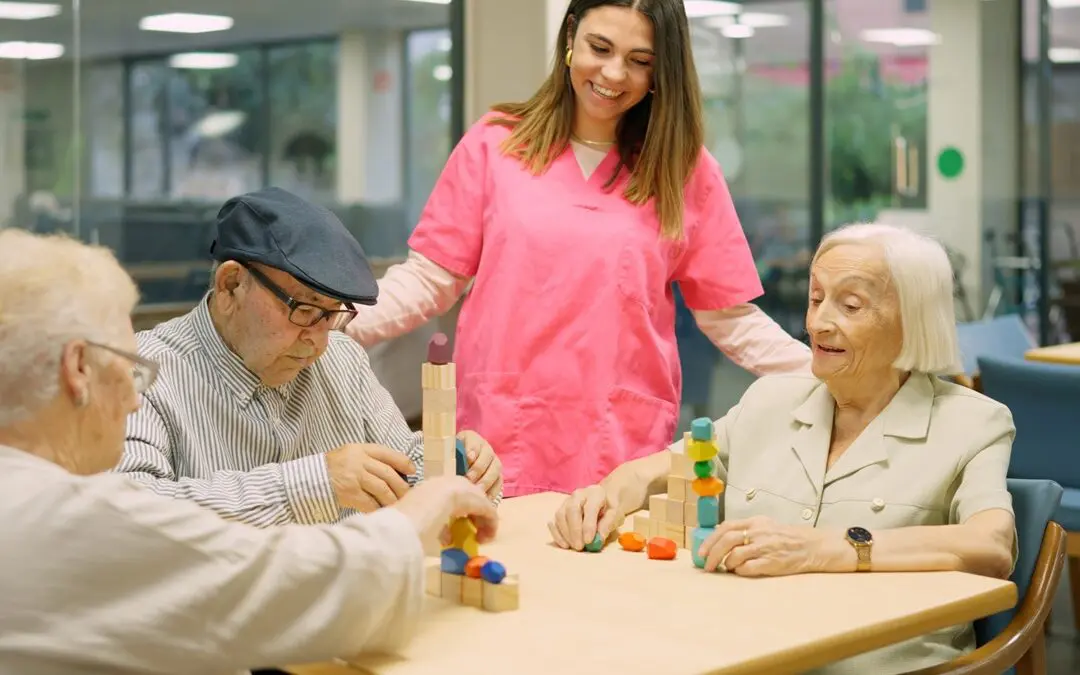
Cognitive and social activities are a key focus for memory care communities, helping residents reconnect with familiar memories and a sense of self. They host tailored brain games, puzzles, and group activities to keep residents’ minds engaged and encourage socialization.
Therapy Programs
To foster positive emotional connections and stimulate memory, communities offer music, art, and pet therapies.
Storytelling And Reminiscence
The community organizes structured group gatherings centered around residents’ life histories and past experiences to help them connect with their personal identities and voices.
Eden Vista Stow – A Person-Centered Memory Care Community
At Eden Vista Stow, we understand how beneficial memory care can be for individuals with dementia. Through compassionate, personalized daily living support, our team helps residents find comfort, convenience, and familiarity in their lives. To enhance their quality of life, the staff focus on nurturing residents’ overall wellness. By focusing on empowering their remaining abilities, they help residents feel more secure and confident.
Those seeking memory care for aging parents can contact us at Eden Vista Stow. At our memory care community, we provide a safe, secure, and structured environment. Through person-centered care programs, we support a vibrant, engaging, and wellness-focused lifestyle for residents.
Recent Comments